AI-Powered End-to-End Recruitment Platform
AI-powered recruitment platform that combines talent intelligence, candidate validation, and hiring workflows to help teams identify the right candidate—not just the best resume.
Project Overview
Recruitment teams today face two growing challenges. First, the hiring process is fragmented across multiple tools, spreadsheets, emails, and systems. Second, the rise of AI-generated resumes has made it increasingly difficult to distinguish genuinely qualified candidates from highly optimized applications.Candidates can now tailor resumes for every role in seconds, while recruiters rely on AI-powered Applicant Tracking Systems (ATS) to screen and rank hundreds of applications. Although both sides have become more efficient, hiring teams often end up finding the best resume rather than the right candidate.
To address this challenge, I designed an AI-powered Talent Intelligence Platform that streamlines the entire recruitment lifecycle—from job requisition and candidate sourcing to interviews, offers, and onboarding—while helping recruiters make more confident hiring decisions. The platform combines traditional recruitment workflows with AI-driven talent validation, enabling teams to evaluate candidates using multiple signals such as resumes, LinkedIn profiles, portfolios, assessments, interview feedback, and career progression data.
The vision was simple: create a single source of truth for hiring teams while shifting recruitment from resume matching to evidence-based talent evaluation.
My Role in the Project
As the Lead Product Designer, I owned the end-to-end experience from discovery through delivery. I worked closely with recruiters, hiring managers, HR leaders, product managers, and AI engineers to understand hiring workflows, identify pain points, and define the product vision.
My responsibilities included user research, stakeholder workshops, journey mapping, information architecture, AI workflow design, interaction design, prototyping, usability testing, and design validation. Throughout the project, I focused on balancing automation with transparency, ensuring that AI-supported recommendations enhanced recruiter decision-making rather than replacing human judgment.
Challenges Encountered
AI-generated resumes made candidate differentiation increasingly difficult.
Recruiters spent significant time validating candidate claims rather than assessing potential.
Existing ATS platforms relied heavily on keyword matching and often produced false-positive recommendations.
Hiring managers had limited trust in AI-generated candidate rankings.
Important talent signals such as portfolios, certifications, project outcomes, and career progression were often overlooked.
Recruiters frequently switched between multiple systems to gather candidate information.
Interview scheduling and feedback collection created operational bottlenecks.
The platform needed to support recruiters, hiring managers, HR coordinators, and onboarding teams with different goals and workflows.
AI recommendations needed to be transparent, explainable, and easy to validate.
User Research Approach & Insights
I interviewed recruiters, hiring managers, HR teams, and onboarding coordinators to understand how they manage hiring today. I also reviewed existing ATS workflows and observed how teams switched between spreadsheets, email, LinkedIn, and multiple HR tools throughout the hiring process. The biggest insight was that hiring teams were not struggling to find candidates—they were struggling to confidently identify the right candidates. Recruiters spent significant time validating candidate claims, comparing profiles, and gathering information from multiple sources. They wanted a centralized platform that could combine candidate data, surface evidence, and provide trustworthy recommendations.
Methods
- Hiring Manager, Vendor & Staff Interviews
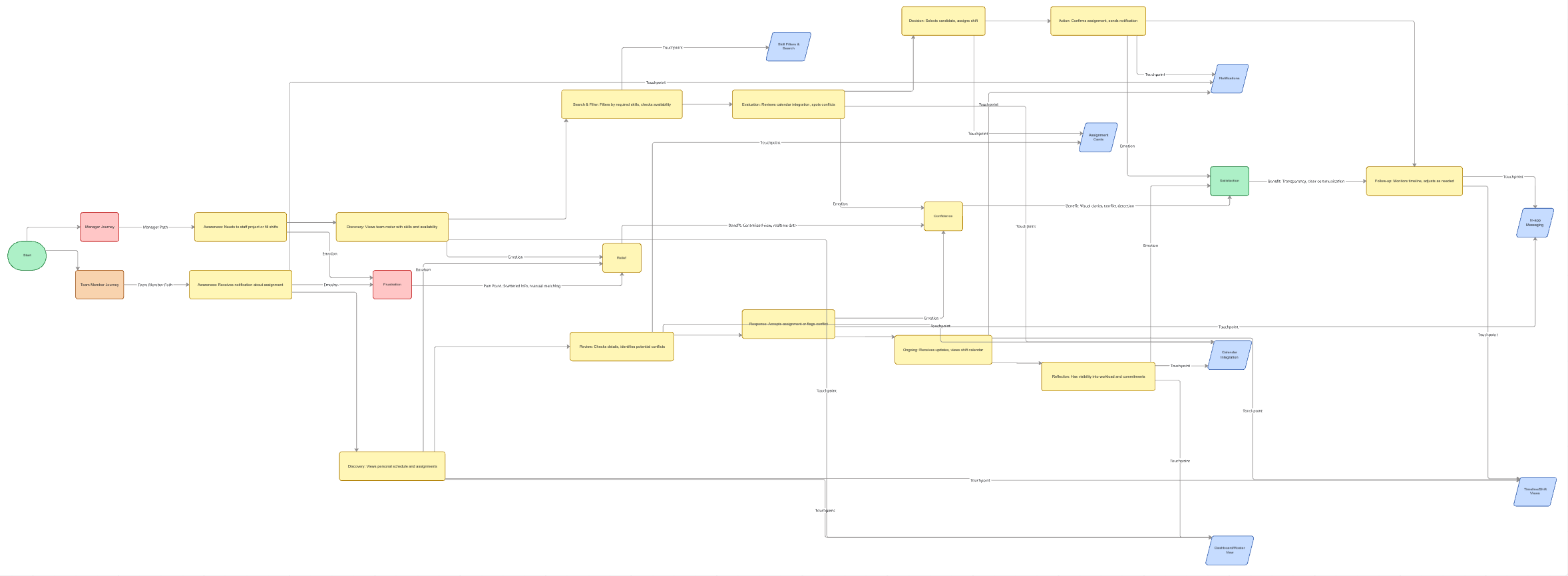
- Workflow Mapping
- Contextual Inquiry & Observation
- Workflow Analysis
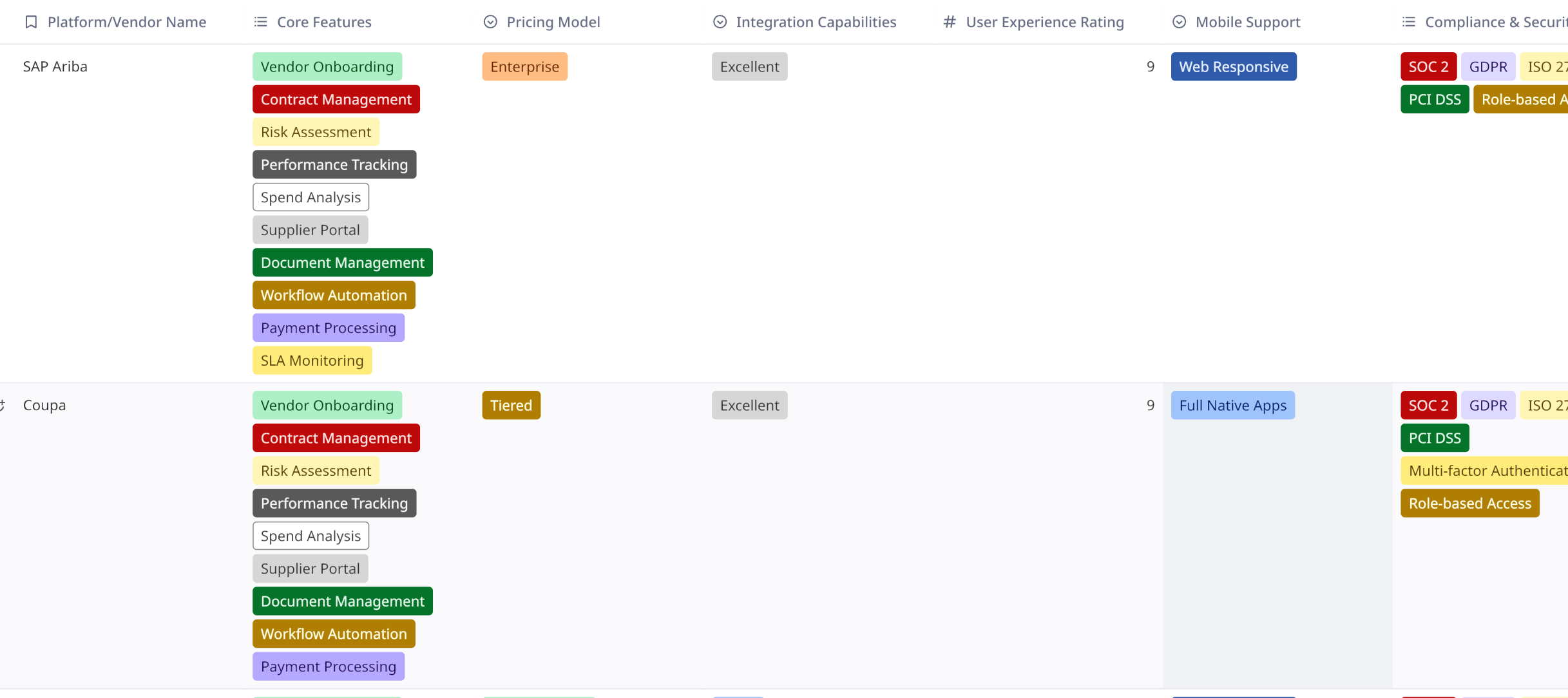
- Competitive Analysis
Key Findings
- Recruiters trusted evidence more than resume content.
- Portfolio projects often carried more weight than keyword matches.
- Hiring confidence was a bigger problem than sourcing efficiency.
- Recruiters wanted explainable AI recommendations.
- Candidate evaluation required multiple data points, not just resumes.
- Interview preparation consumed significant time due to manual validation.
- Users were frustrated by switching between email, spreadsheets, ATS systems, and communication tools.
- Onboarding remained one of the most manual and error-prone stages of the recruitment process.
Competitive Analysis
Process Flow & User Journey
Ideation Process
After identifying trust and validation as the core challenges, I explored how AI could support recruiter decision-making rather than simply automate screening. Through workshops, journey mapping, sketching sessions, and rapid prototyping, I evaluated concepts such as talent authenticity scoring, portfolio intelligence, hiring confidence scores, interview copilots, and explainable AI recommendations. The final direction focused on creating a unified talent profile that combines multiple candidate signals—including resumes, portfolios, LinkedIn data, assessments, and interview feedback—to provide a more complete and trustworthy view of candidate potential.
Discovery
Conducted stakeholder interviews and user research to understand recruitment workflows, candidate evaluation challenges, and hiring bottlenecks.
Ideation
Explored solutions for talent validation, candidate intelligence, AI-assisted search, and explainable hiring recommendations.
Wireframing
Created low-fidelity wireframes for candidate search, talent profiles, comparison views, hiring pipelines, and onboarding workflows.
Prototyping
Developed interactive prototypes to validate AI-assisted candidate search, candidate comparison workflows, and hiring pipeline interactions.
Testing
Conducted usability testing with recruiters and hiring managers to validate candidate evaluation, interview coordination, and onboarding workflows.
Iteration
Refined AI recommendation transparency, candidate comparison experiences, and recruiter workflows based on stakeholder feedback.
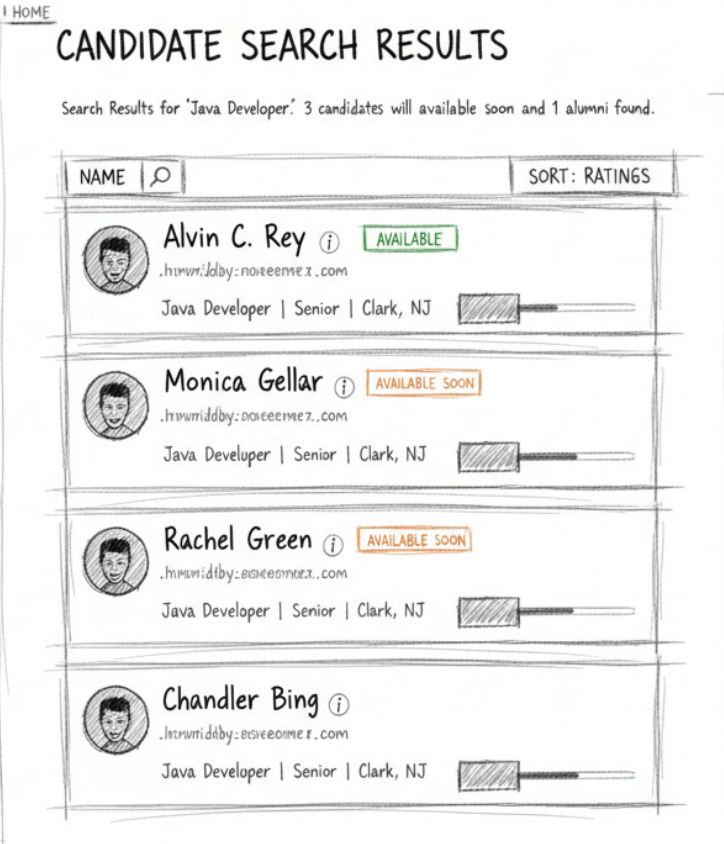
Sketch
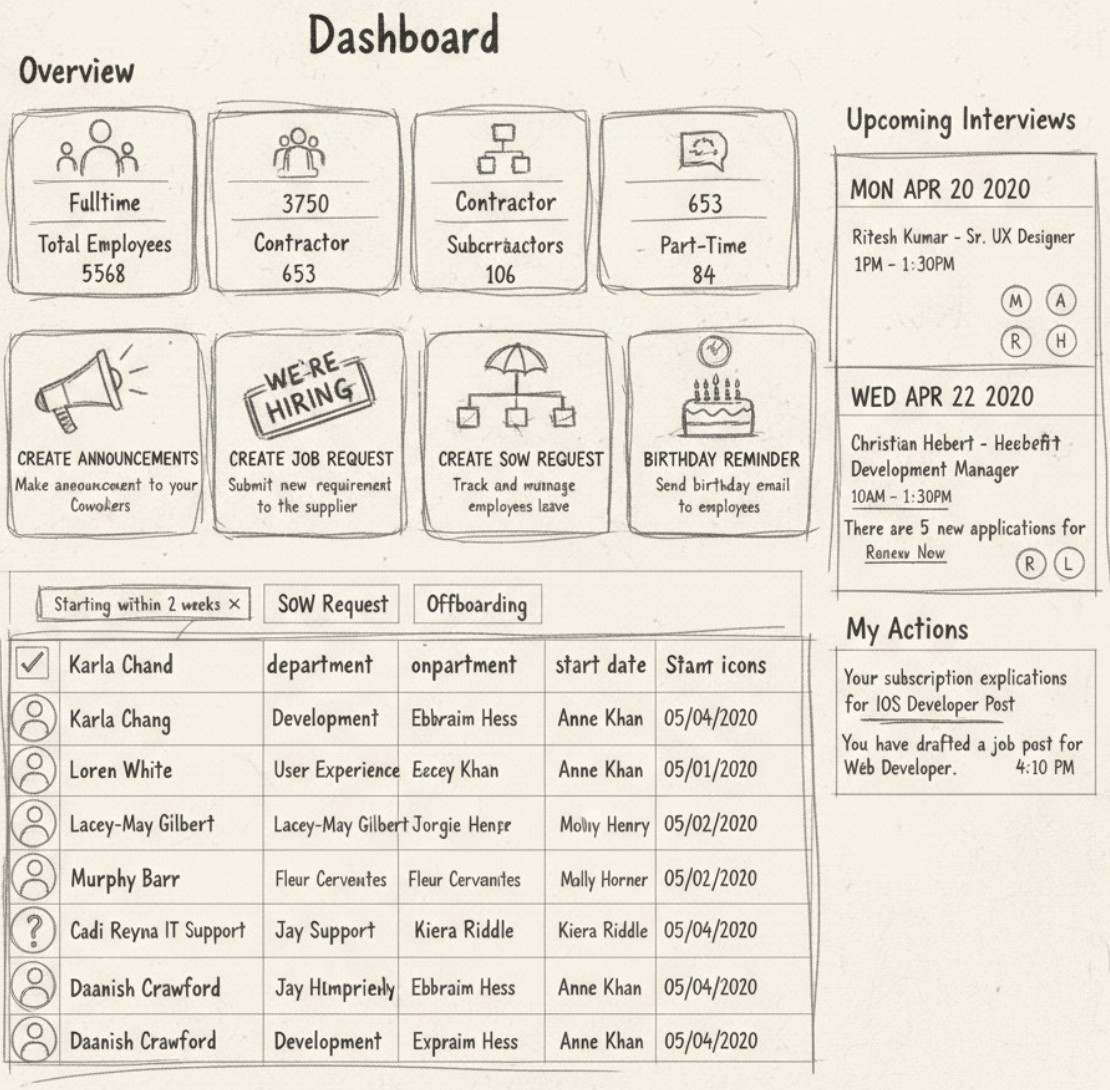
I began with hand sketches on paper to quickly explore layout ideas for the main dashboard, candidate cards, comparison screens, and the AI assistant panel. These early sketches helped me test different arrangements for quick actions, overview metrics, and workflow stages.
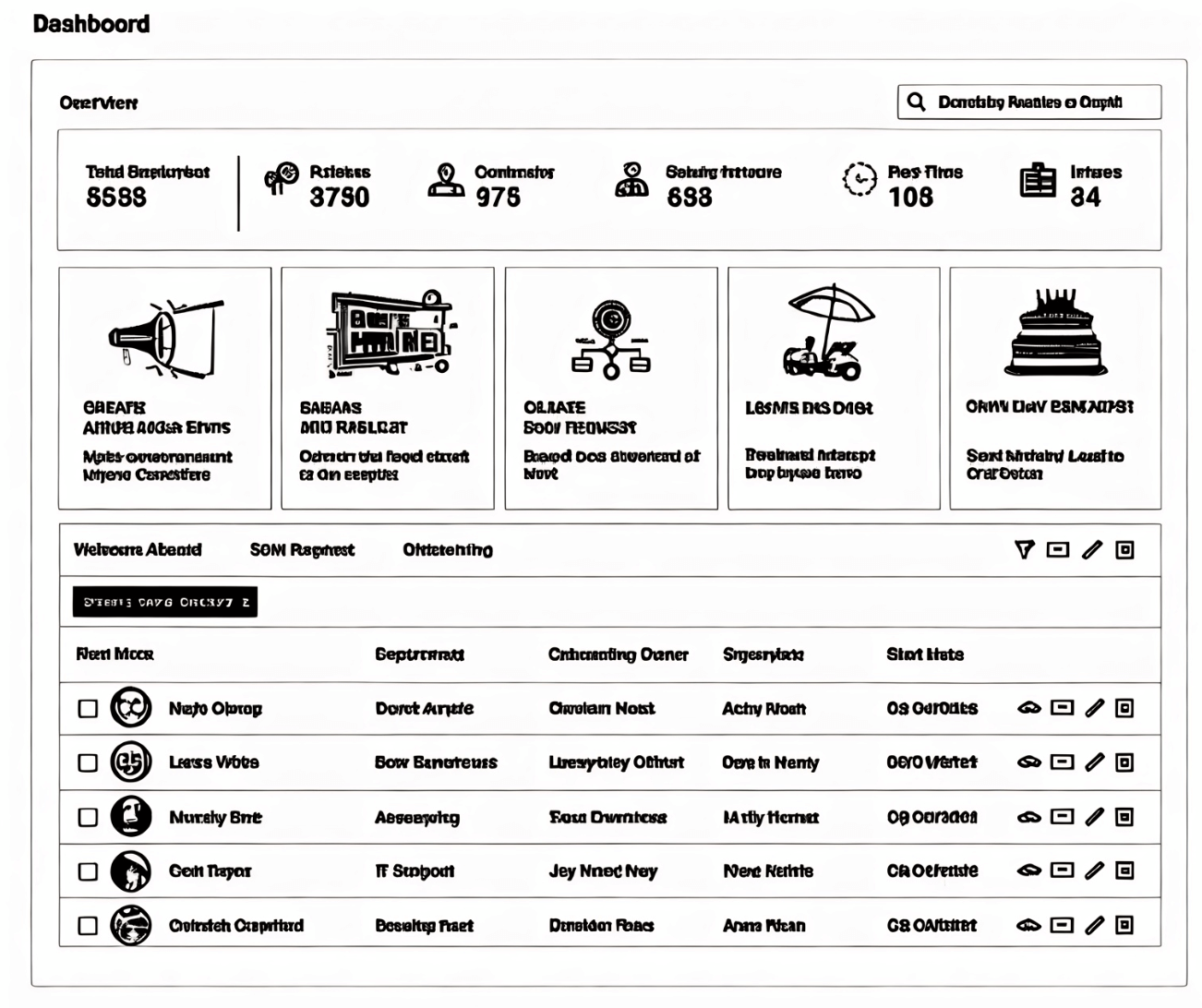
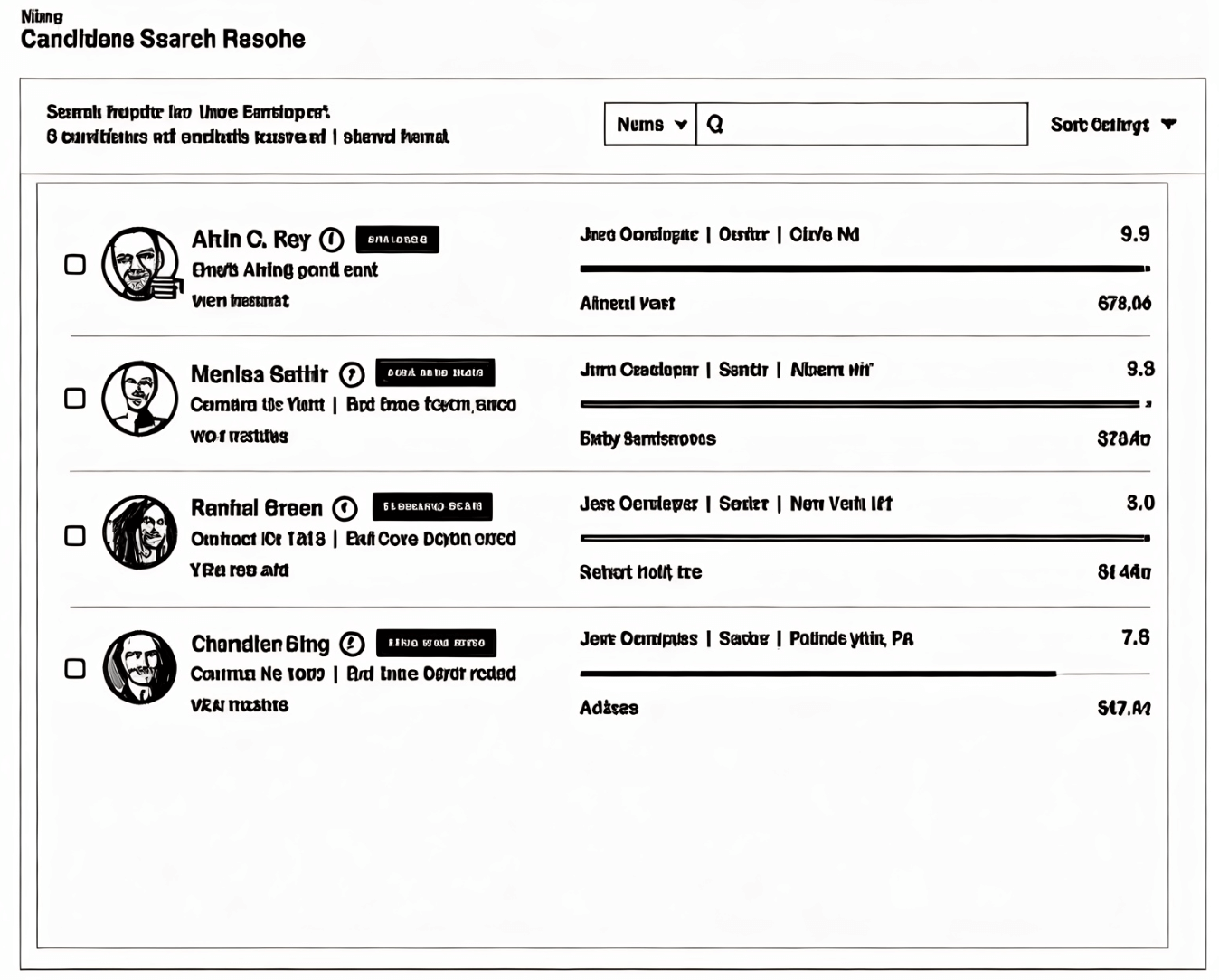
Wireframe
After sketches, I created low-fidelity wireframes in Figma to define the information hierarchy, user flows, and interaction patterns. This stage helped refine the Kanban-style status columns, the candidate comparison modal, the onboarding checklist, and the chat-based AI assistant before moving to visual design.
Visual Story
Sketch
I began with hand sketches on paper to quickly explore layout ideas for the main dashboard, candidate cards, comparison screens, and the AI assistant panel. These early sketches helped me test different arrangements for quick actions, overview metrics, and workflow stages.
Wireframe
After sketches, I created low-fidelity wireframes in Figma to define the information hierarchy, user flows, and interaction patterns. This stage helped refine the Kanban-style status columns, the candidate comparison modal, the onboarding checklist, and the chat-based AI assistant before moving to visual design.
The Solution Implemented
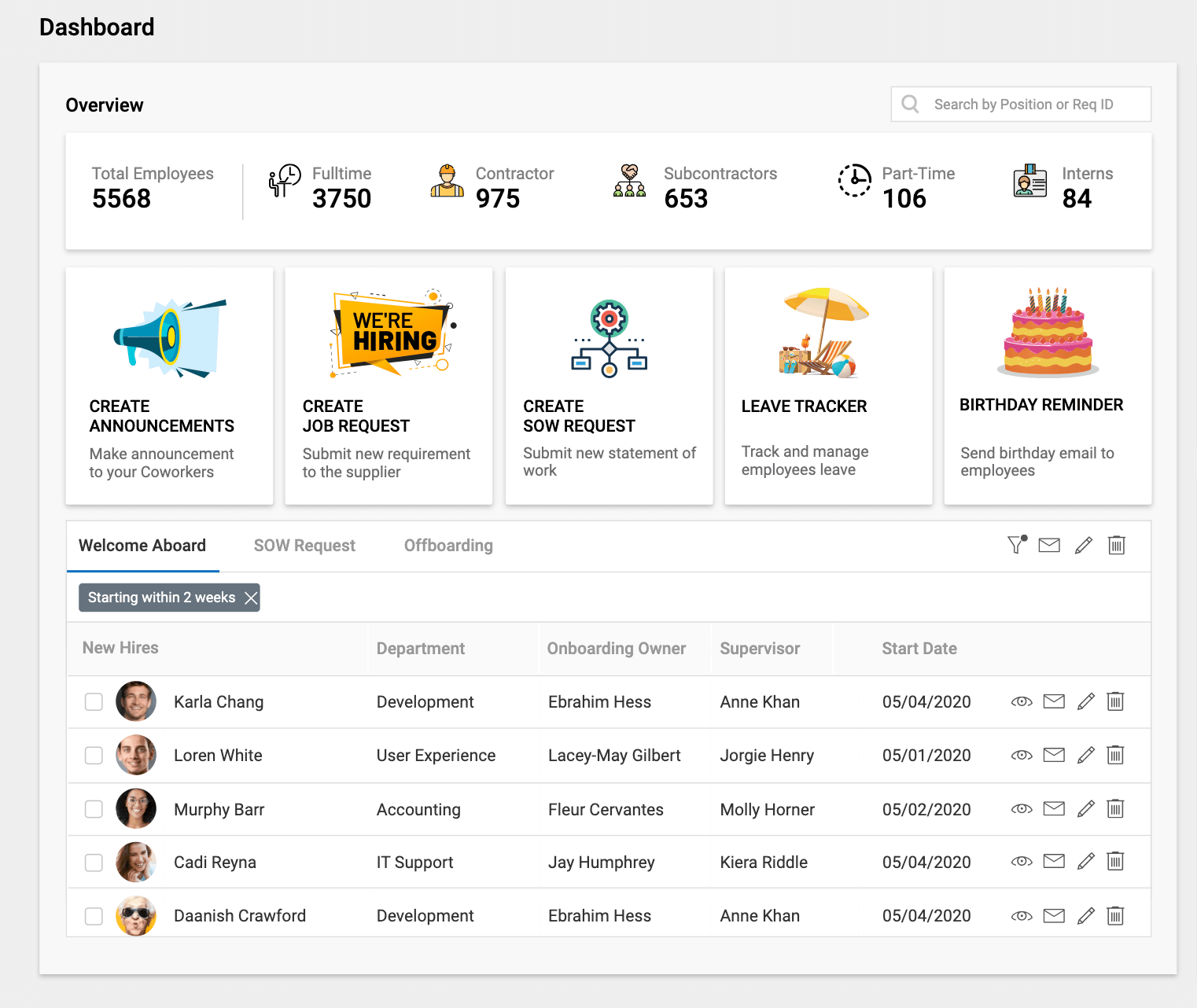
Designed a clean, informative dashboard with headcount overview, quick action cards (Create Job Request, Announcements, Leave Tracker, Birthday notifications), upcoming interviews, and a "Welcome Aboard" section for new hires.
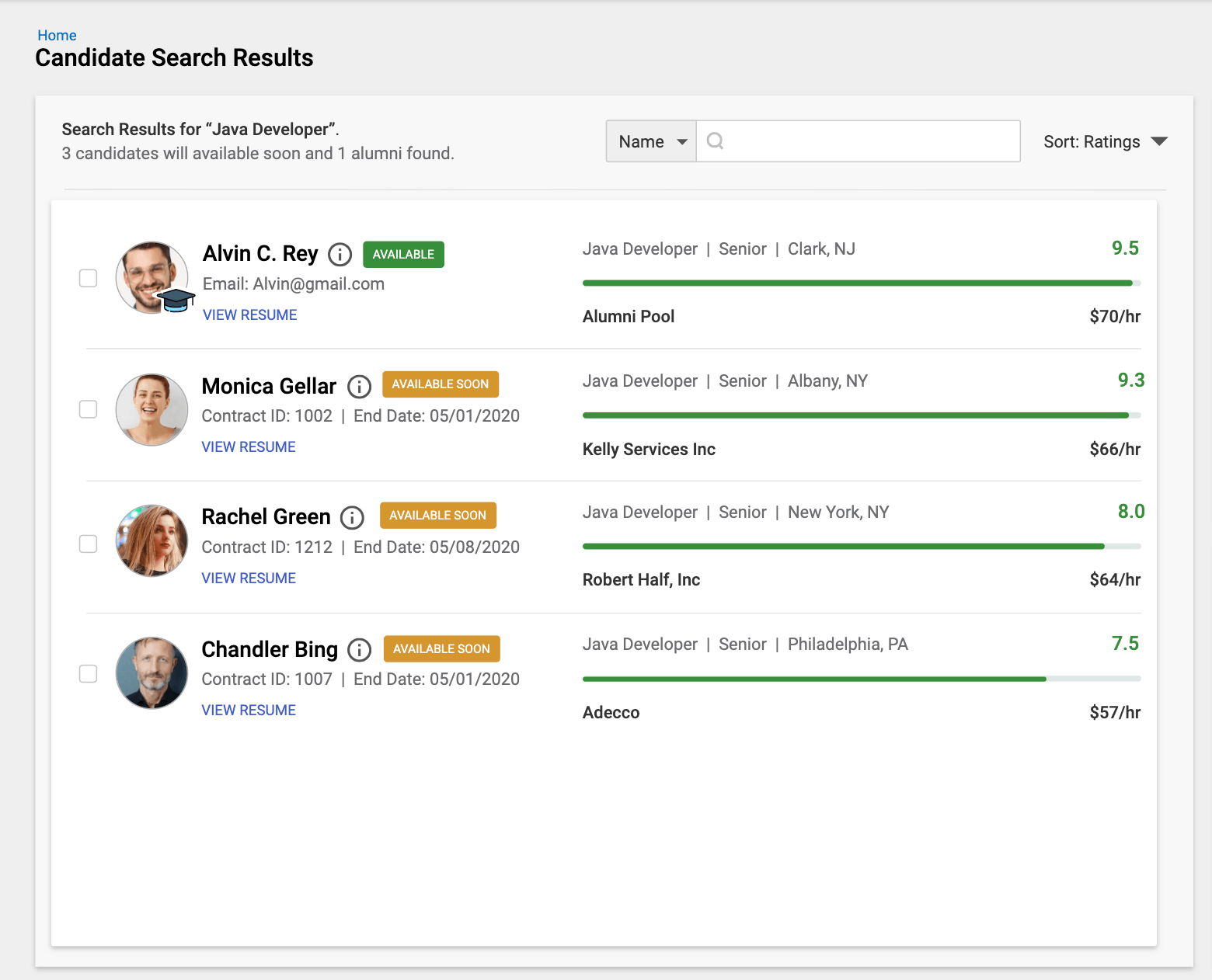
Built an intelligent Candidate Search with AI chat assistance that lets users type natural requests like "I need a Java Developer" and instantly shows relevant profiles.
Unified Talent Profile combining resumes, LinkedIn, portfolios, assessments, and interview feedback.
Evidence-Based Candidate Evaluation combining resumes, LinkedIn profiles, portfolios, assessments, and interview feedback to validate skills beyond keyword matching.
AI-powered Candidate Search using natural language prompts.
Clear status indicators (available, tentative, booked) and built-in communication layer for discussions and approvals.
Created a powerful side-by-side candidate comparison view with ratings, salary expectations, experience, and key attributes.
Explainable AI recommendations with supporting insights.
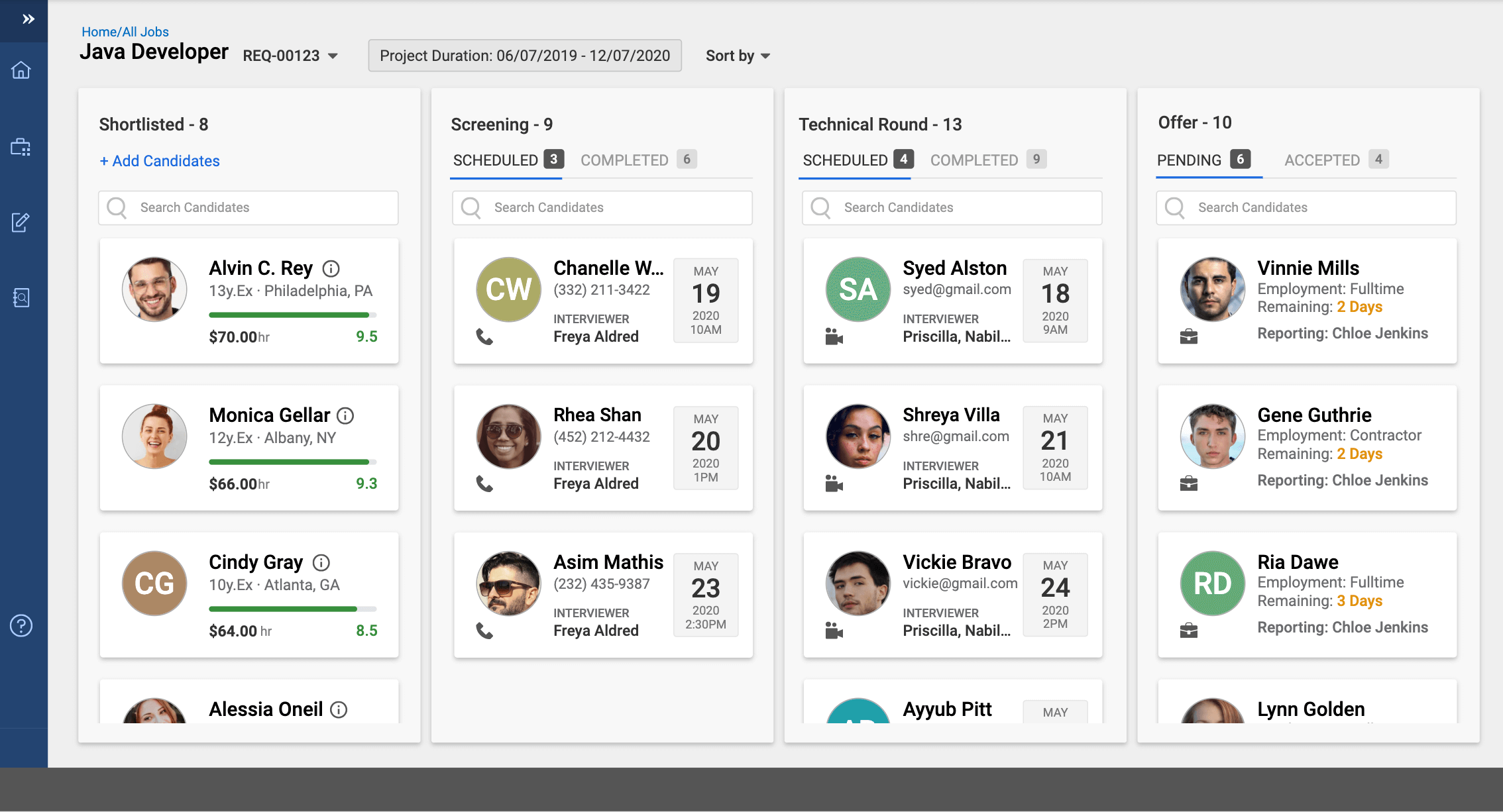
Developed a visual Kanban-style hiring pipeline (Shortlist → Screening → Technical Round → Offer) with easy drag-and-drop movement and status tracking.
Designed a structured onboarding modal with clear pre-joining, on-joining, and post-joining checklists to reduce errors.
Added contextual actions like scheduling interviews, sending offers with editable templates, and quick shortlisting.
Design Evolution & Final Mockups
Step-by-step evolution showing how concepts developed into final designs.
Results & Impact
The platform transformed recruitment from a fragmented, resume-driven process into a centralized and confidence-based hiring experience. By combining AI-assisted talent validation, candidate intelligence, and workflow automation, recruiters spent less time validating information and more time evaluating candidate potential. The result was a faster, more transparent, and evidence-driven hiring process for recruiters and hiring managers.
Reduced candidate screening effort by 40%+.
Accelerated candidate discovery through AI-powered search.
Improved recruiter confidence through explainable AI recommendations.
Reduced dependency on keyword-based resume matching.
Simplified candidate comparison and evaluation workflows.
Improved collaboration between recruiters and hiring managers.
Streamlined interview scheduling and feedback collection.
Reduced onboarding errors through structured workflows.
Created a single source of truth across the hiring lifecycle
Key Learnings & Reflection
Key Learnings
- AI should support human judgment, not replace it.
- Trust is more valuable than automation alone.
- Explainability is critical for AI adoption in hiring workflows.
- Multiple talent signals provide a stronger view of candidate potential than resumes alone.
- Portfolio evidence often reveals more than self-reported experience.
- Early recruiter feedback helped shape more transparent and trustworthy AI experiences.
Reflection
"This project taught me that the future of recruitment is not about processing more applications—it is about helping organizations make better hiring decisions. As AI continues to improve resume generation and candidate matching, the real opportunity lies in building systems that validate talent, provide transparency, and increase confidence in every hiring decision."