
Retail Enterprise AI Solution
AI-Powered Demand, Supply & Pricing Optimization Platform (Conceptual Project)
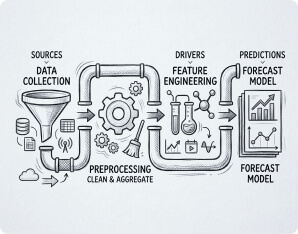
Pipeline
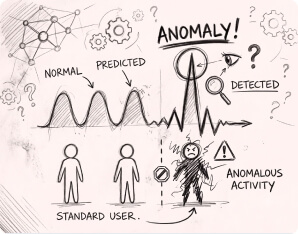
Anomaly Detection
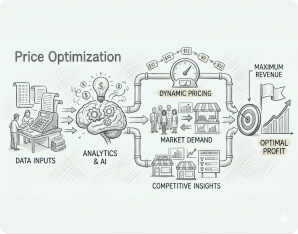
Price Optimization
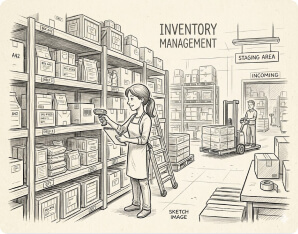
Inventory Management
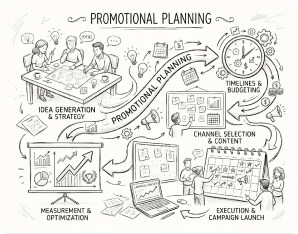
Promotional Planning
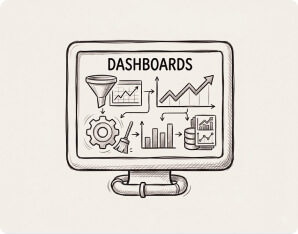
Dashboard
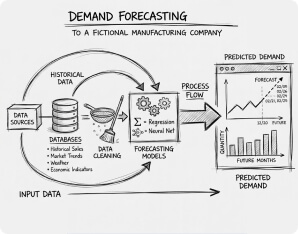
Demand Forecasting
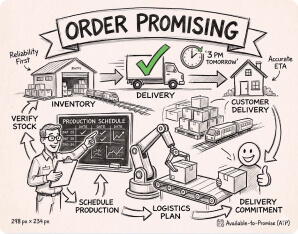
Order Promising
Project Overview
I designed a comprehensive Retail Enterprise AI Suite that connects the entire retail planning lifecycle — from building AI demand models to intelligent order execution. The goal was to create a unified platform that helps demand planners, merchandisers, pricing analysts, and supply chain teams make faster, more confident decisions in a highly volatile retail environment. Designed solutions for core AI UX challenges, such as building trust in AI forecasts, improving explainability, and creating smooth human-AI collaboration.
Problem Statement
Retail supply chain teams often struggle with fragmented tools, low confidence in AI recommendations, and difficulty understanding why the system suggests certain actions. Planners waste significant time validating forecasts, investigating anomalies, and manually adjusting plans. I aimed to design an intelligent, transparent system that augments human expertise rather than replacing it.
My Role
As Lead Product Designer, I was responsible for the full UX strategy and design execution of this end-to-end Retail Enterprise AI Suite. I defined the overall information architecture, designed complex interconnected workflows, and created high-fidelity interfaces across all modules with a strong emphasis on AI UX best practices. I focused on solving critical challenges such as building trust in AI forecasts, improving explainability, designing effective prompt interfaces, and creating seamless human-AI collaboration patterns.
End-to-End Workflow
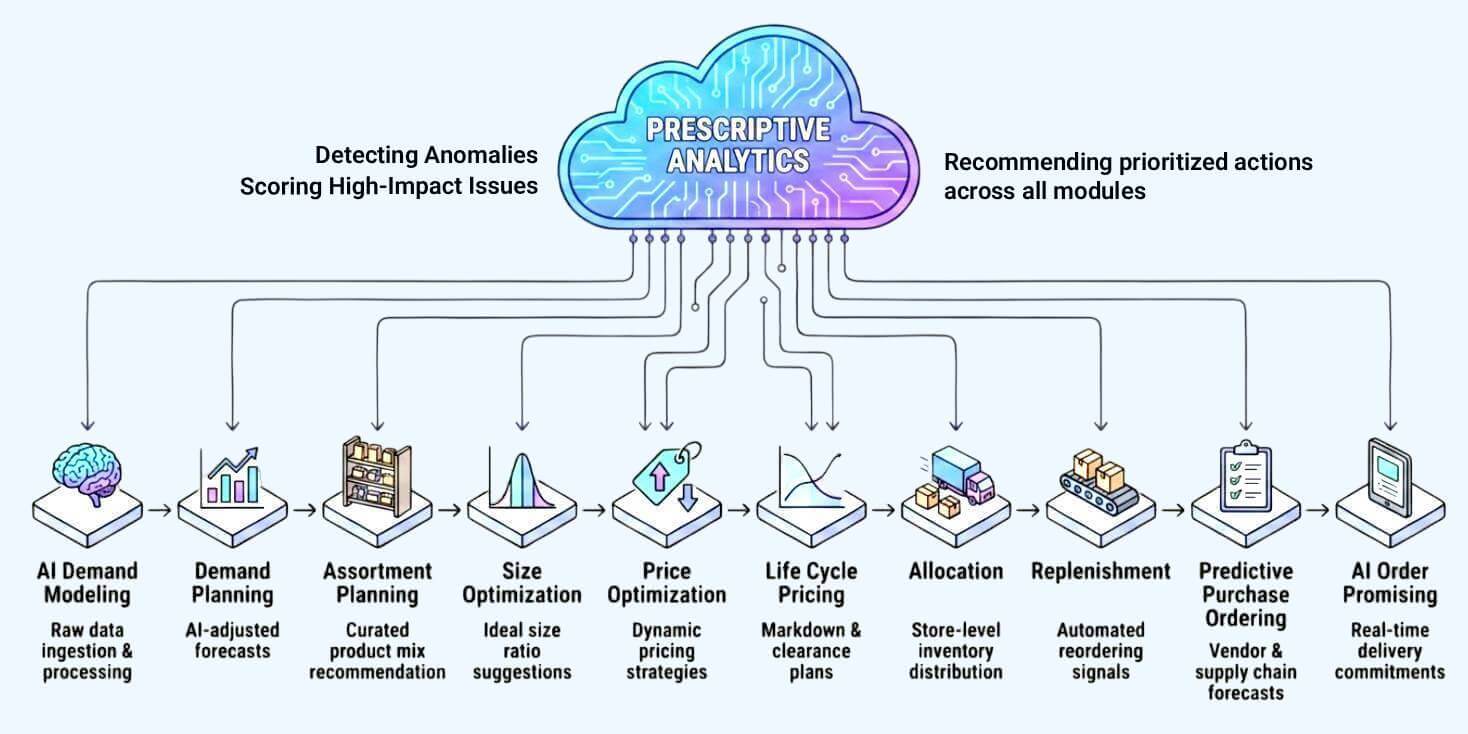
The platform follows a connected, intelligent workflow: AI Demand Modeling → Demand Planning → Assortment Planning → Size Optimization → Price Optimization → Life Cycle Pricing → Allocation → Replenishment → Predictive Purchase Ordering → AI Order Promising. Prescriptive Analytics serves as the intelligent core, continuously analyzing data across all modules.
Key Modules & Design Solutions
AI Demand Modeling
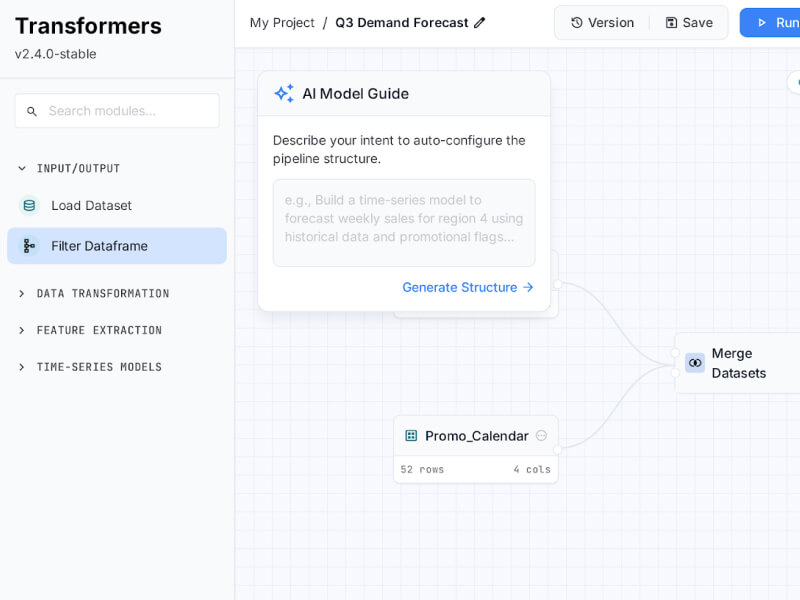
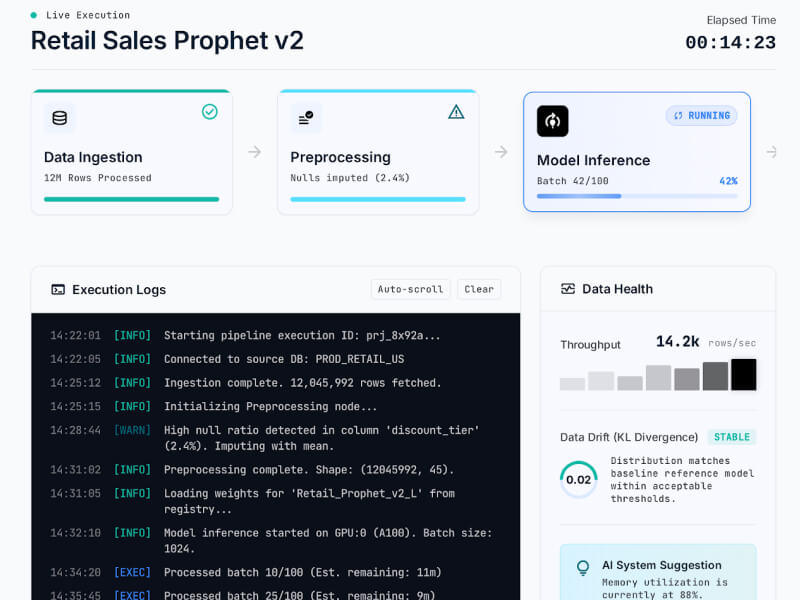
This module serves as the foundation where data scientists and ML engineers build, test, and refine AI model pipelines. I designed an intuitive interface with prompt-based interfaces that allow users to guide model training using natural language (e.g., “Factor in upcoming promotional campaigns and recent weather impact”). Clear anomaly detection and data quality indicators help users quickly identify and fix issues in training data.
Demand Planning
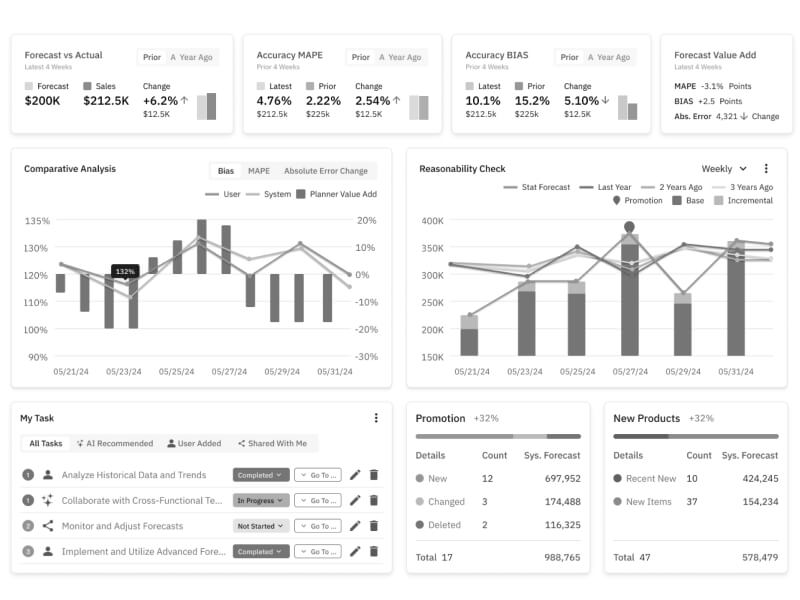
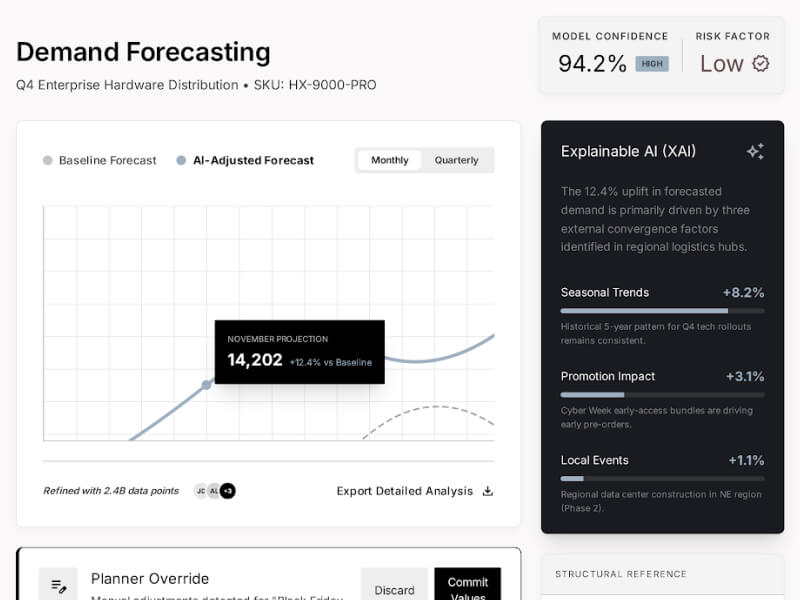
The heart of AI forecasting. I focused heavily on solving AI Forecasting UX challenges. Planners see baseline and AI-adjusted forecasts side by side with prominent confidence indicators (color-coded + percentage scores). Explainable AI panels break down the top contributing factors in plain language. Users can easily override forecasts with smooth human-AI handoff patterns.
Assortment Planning
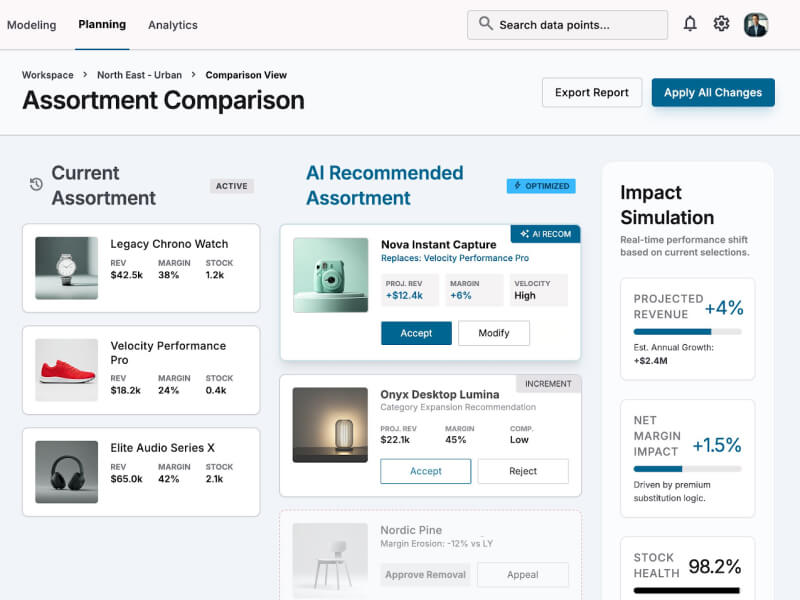
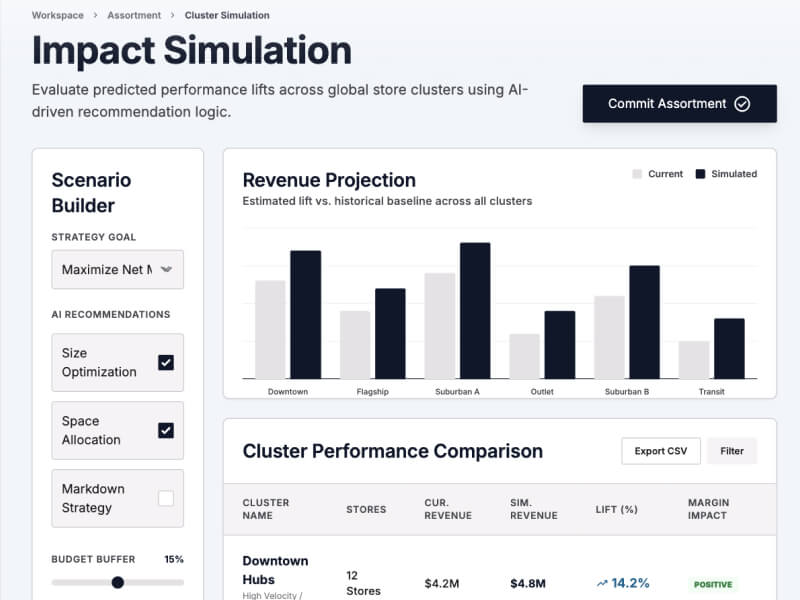
AI recommends optimal product assortments by store cluster. I designed comparison views that clearly show AI recommendations alongside current assortments, with easy accept/modify/reject controls and real-time impact simulation.
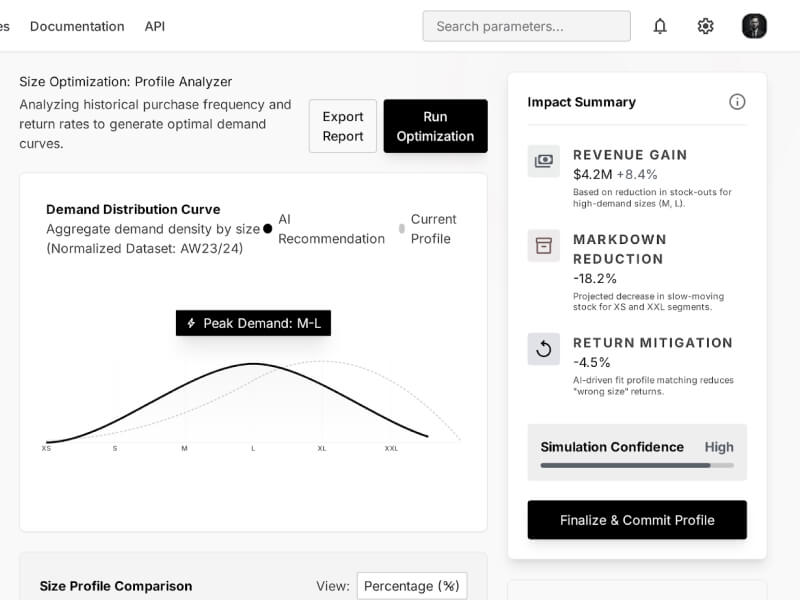
Size Optimization
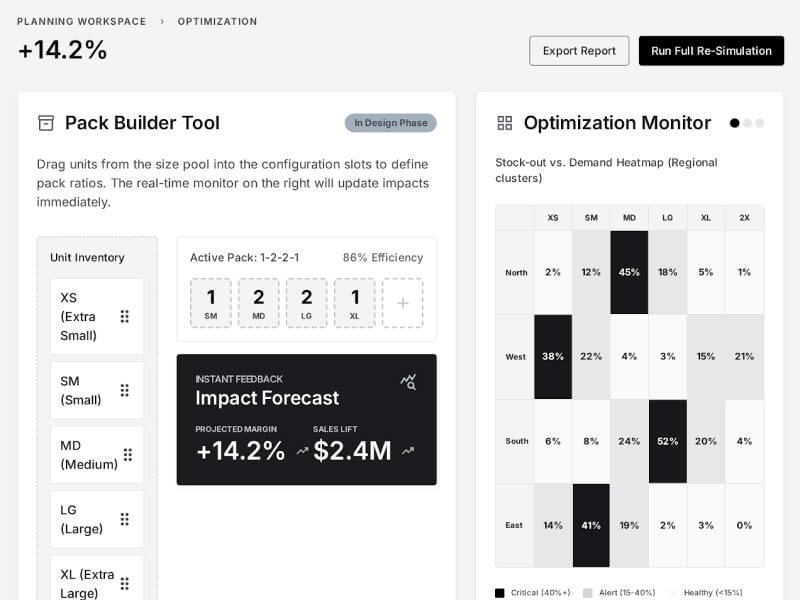
AI suggests ideal size profiles and pack configurations. The interface includes visual demand distribution charts and simple drag-and-drop adjustments with instant feedback on projected sales impact.
Price Optimization
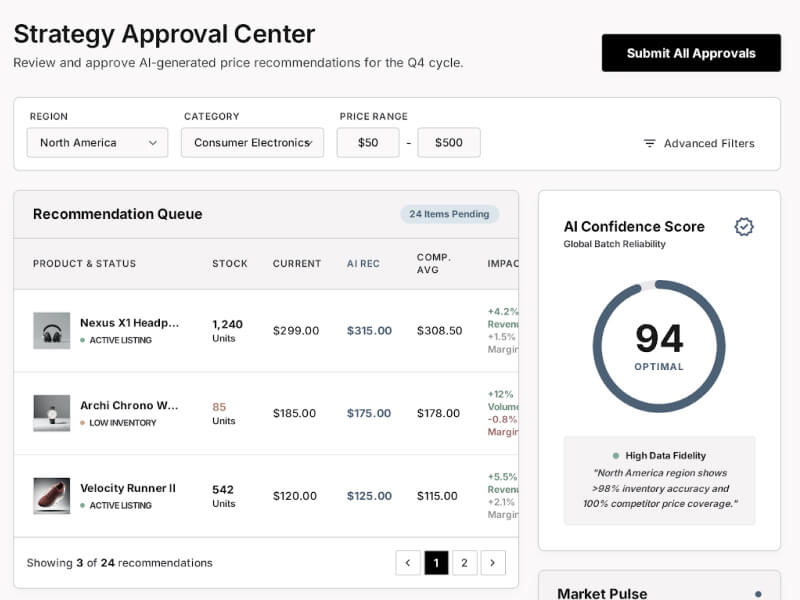
This module delivers AI-driven base price recommendations based on elasticity models and competitive data. I included what-if simulation tools and clear visualizations of projected revenue and margin outcomes.
Life Cycle Pricing
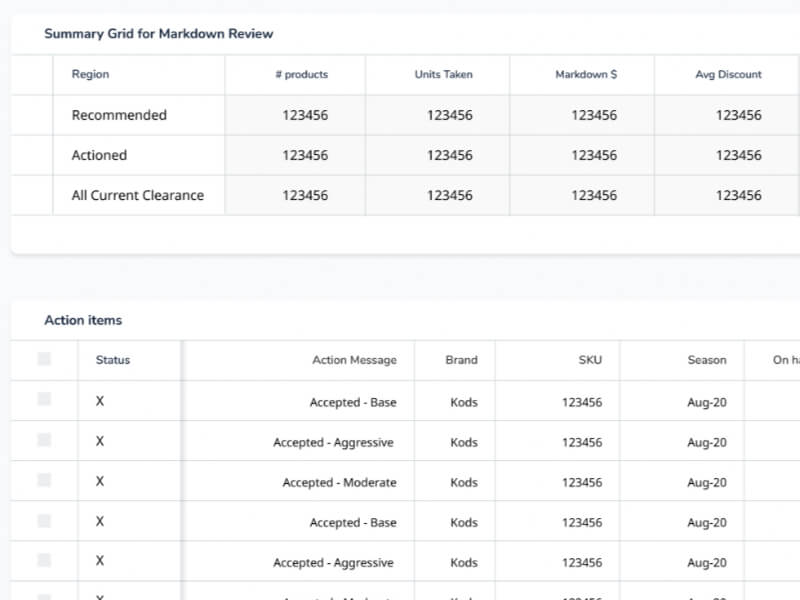
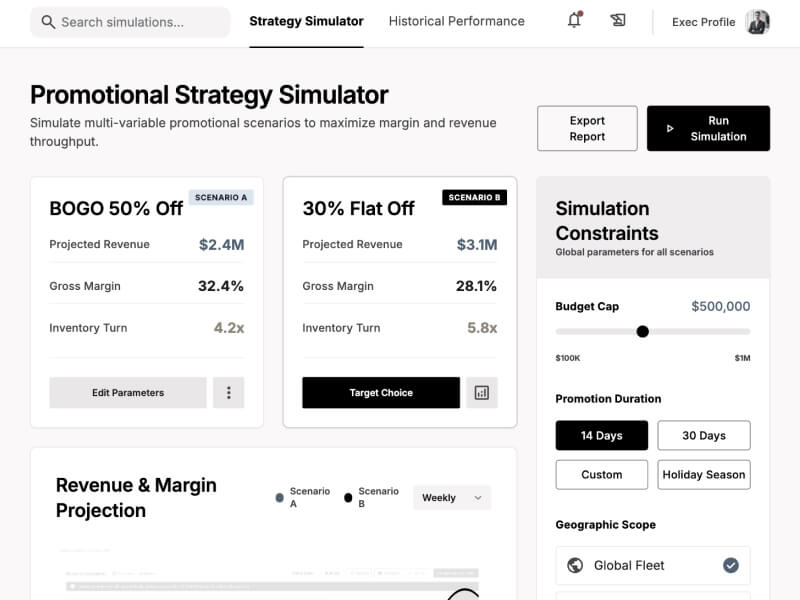
Handles dynamic pricing across a product’s entire lifecycle, including promotions and discounts. Users can review AI-recommended markdown timing and promotional strategies with confidence indicators. A prompt interface allows natural language requests such as “Suggest promotions to clear excess inventory in the next 6 weeks.”
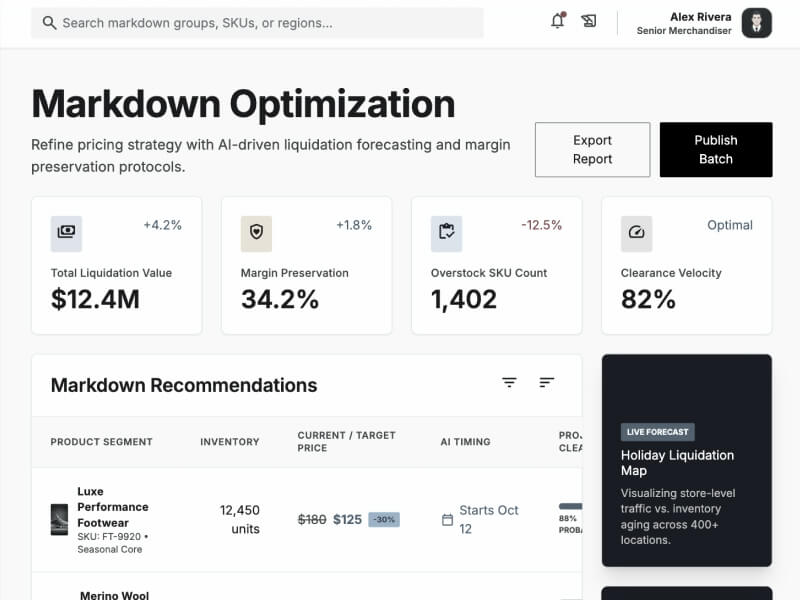
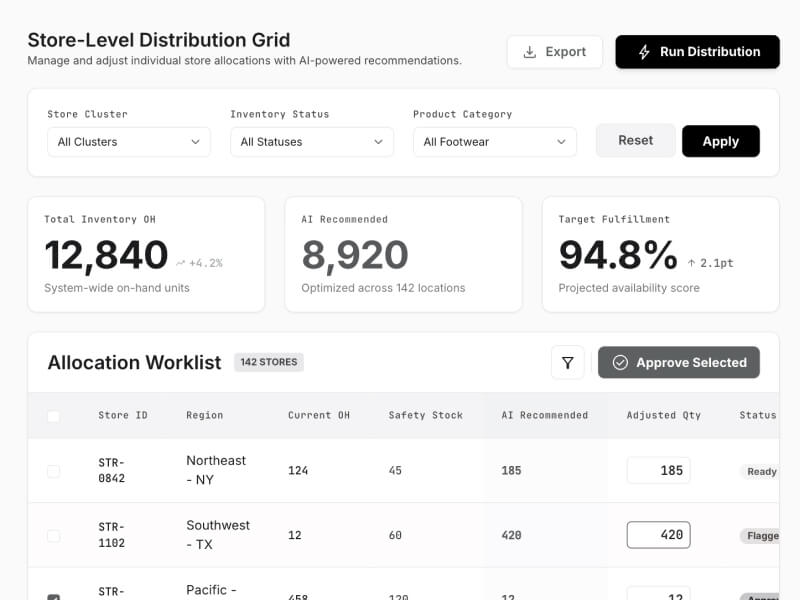
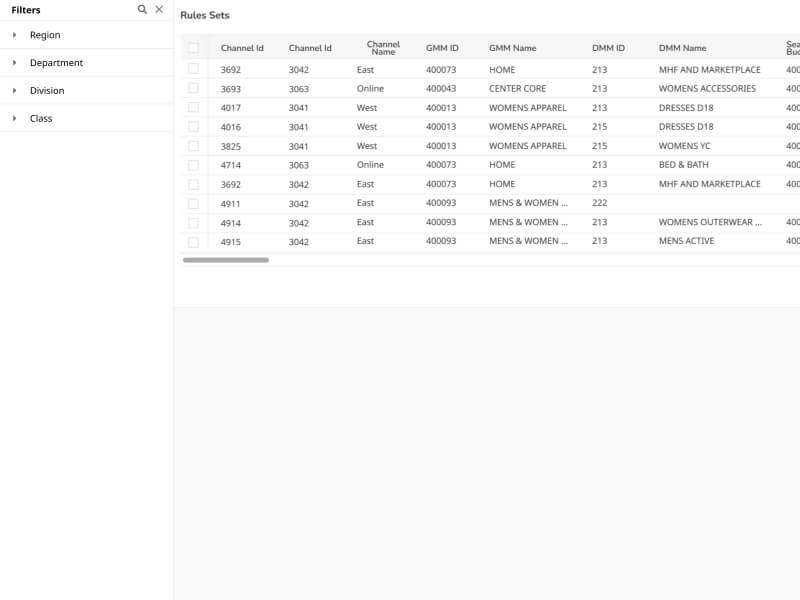
Allocation
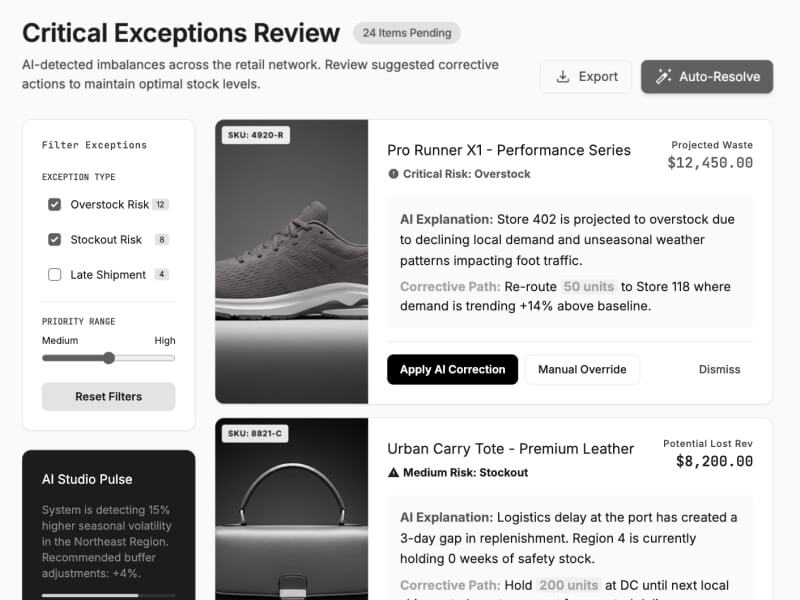
AI generates store-level allocation recommendations. I paid special attention to error handling and exception management — risky allocations are clearly flagged with explanations and suggested corrective actions.
Replenishment
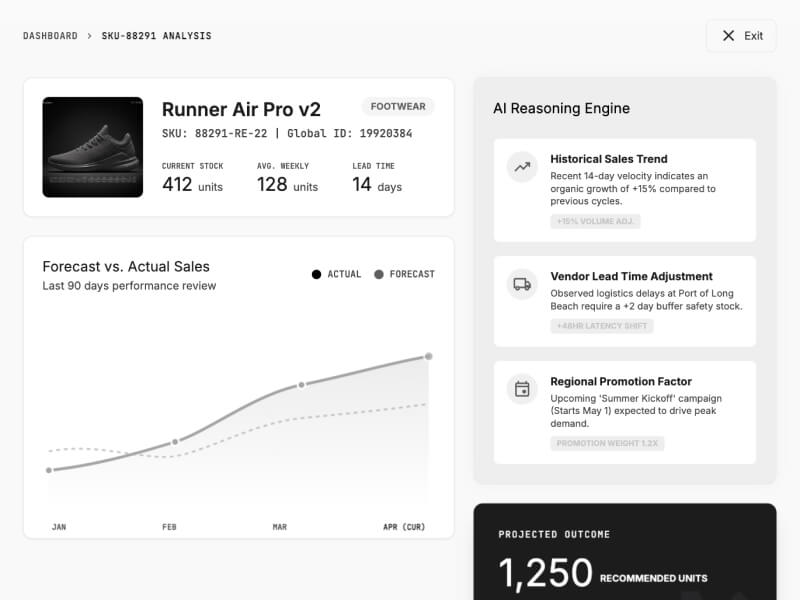
Designed for ongoing inventory management with AI-powered suggestions. Planners work with a prioritized exception list and can apply bulk actions or individual overrides with full visibility into AI reasoning.
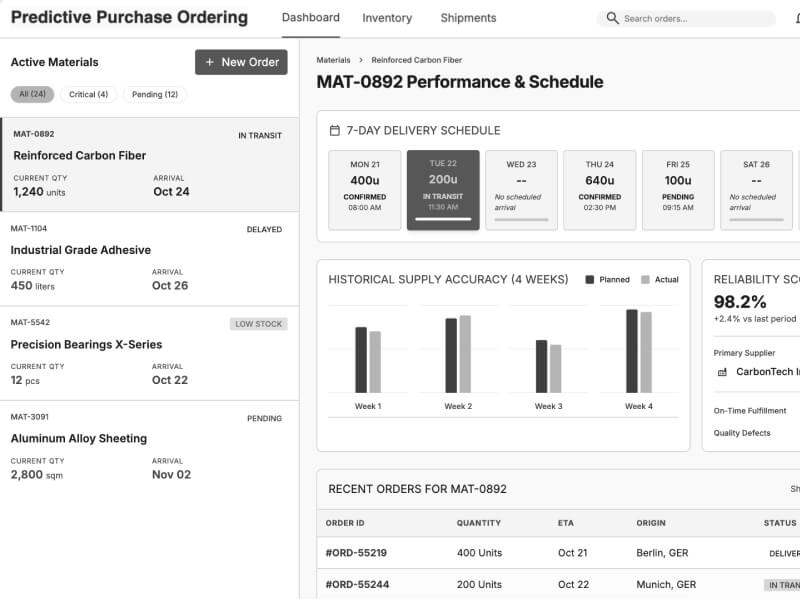
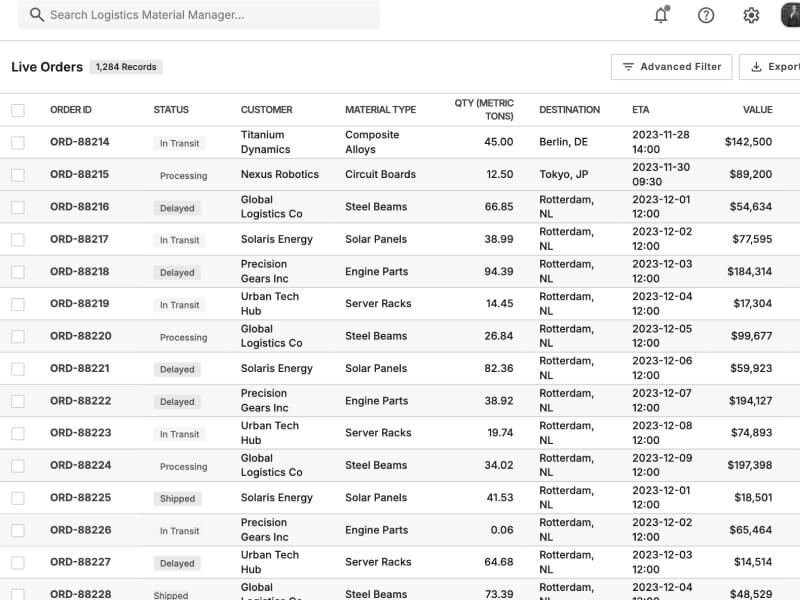
Predictive Purchase Ordering
AI forecasts future purchase orders while considering supplier performance and lead times. I included explainable summaries that help users understand the key drivers behind each recommendation.
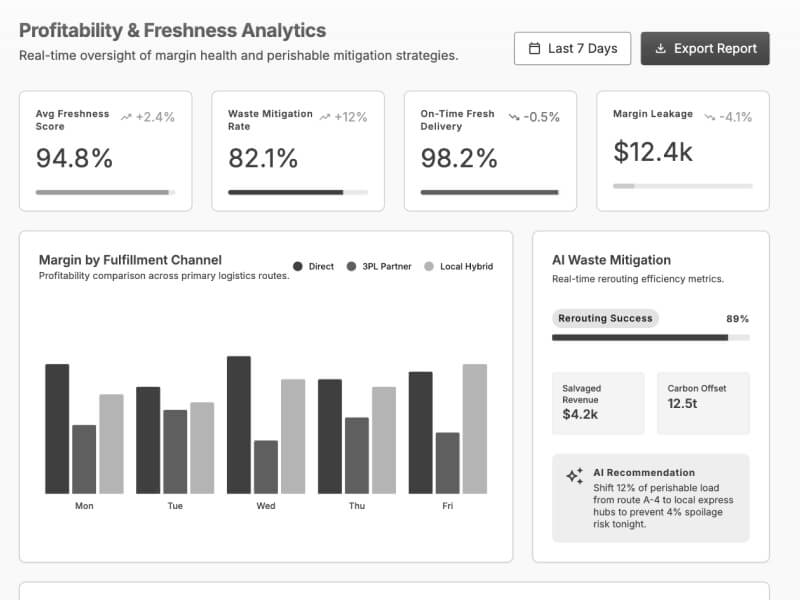
AI Order Promising
The final execution layer that provides real-time, profitability-aware order promising. Users see ranked fulfillment options with clear reasoning and alternative suggestions when stock is constrained.
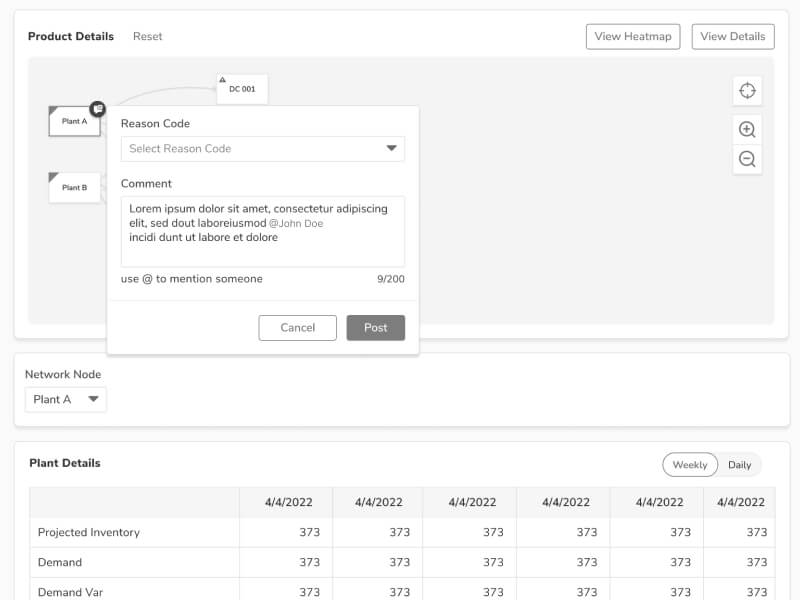
Prescriptive Analytics (Overarching Intelligence Layer)
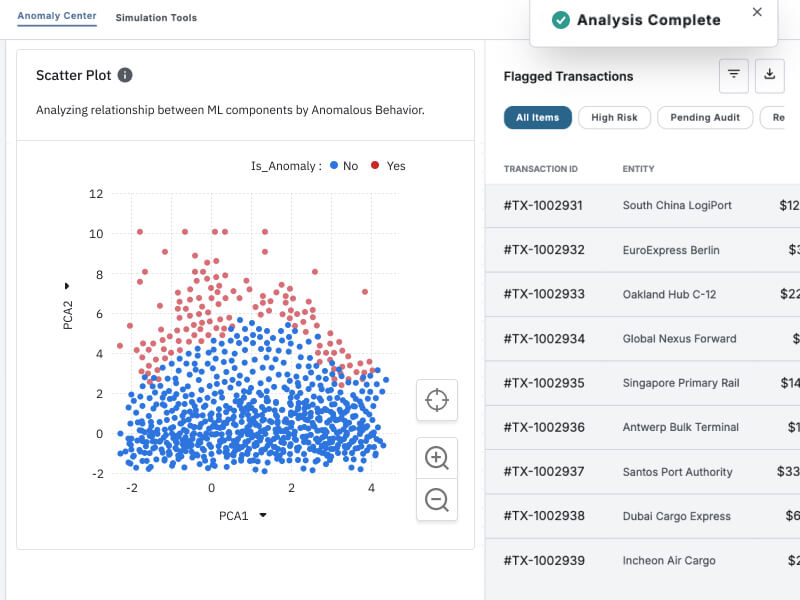
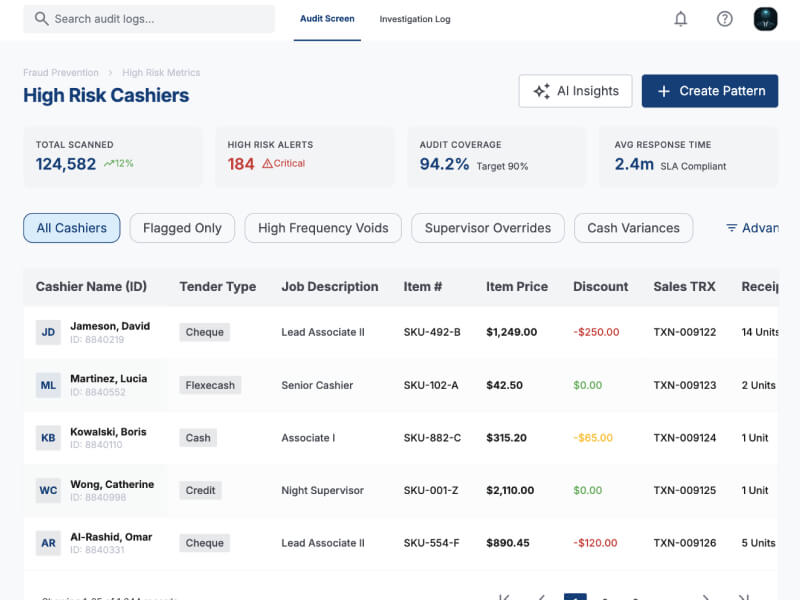
This AI engine continuously scans POS, inventory, and operational data to detect anomalies, hidden patterns (such as shrink, fraud, or unusual inventory movements), and high-impact issues. It scores and prioritizes problems based on financial impact and recommends specific, plain-language actions. I designed this as a central hub where users can run cross-module what-if scenarios and receive prioritized, actionable insights.
Key AI UX Challenges I Solved
Trust in AI Forecasting: Implemented consistent confidence indicators, anomaly detection, and explainable AI breakdowns so users can quickly understand and validate AI outputs.
Human-AI Handoff Patterns: Created intuitive controls that let users accept AI suggestions, make adjustments, or take full control — with the system learning from their preferences over time.
Error Handling & Anomaly Detection: Designed thoughtful, non-disruptive experiences for low-confidence situations and unusual patterns, guiding users toward resolution instead of just showing alerts.
Prompt Interfaces: Integrated natural language inputs at critical points to make interacting with complex AI models accessible to business users.
Explainable AI: Focused on translating technical model outputs into clear, actionable business language across every module.
Evaluation of AI Outputs: Built mechanisms for users to rate recommendations, helping continuously improve model accuracy.
Results & Impact
The unified platform is projected to drive significant business value across the entire retail lifecycle, from more accurate forecasts to smarter execution.
AI Demand Modeling
Increased forecast accuracy by 15-20% by incorporating real-time signals and allowing for rapid model adjustments.
Demand Planning
Reduced manual forecast overrides by 40% and cut down planning cycles by half, freeing up planners to focus on strategic exceptions.
Assortment Planning
Improved sales efficiency by 10% by optimizing product mix and reducing underperforming SKUs.
Size Optimization
Decreased stockouts on popular sizes by 25% and reduced end-of-season markdowns on less popular sizes.
Price Optimization
Lifted gross margin by 3-5% through AI-driven base price recommendations and competitive alignment.
Life Cycle Pricing
Increased promotional ROI by 18% and accelerated sell-through of excess inventory by 30%.
Allocation
Reduced out-of-stocks at high-demand stores by 20% while minimizing overstock situations in slower locations.
Replenishment
Lowered inventory holding costs by 12% and improved in-stock availability to over 95%.
Predictive Purchase Ordering
Reduced supplier lead time variability by 15% and improved PO accuracy, minimizing costly manual adjustments.
AI Order Promising
Increased customer satisfaction by providing accurate delivery dates and improved profitability by fulfilling orders from optimal locations.
Prescriptive Analytics
Proactively identified and resolved over $10M in potential revenue loss from hidden operational issues in the first year of operation.
Key Learnings
This project strengthened my conviction that successful enterprise AI solutions depend less on raw model performance and more on thoughtful design. When users clearly understand why the AI is recommending something and can easily collaborate with it, they move from skepticism to active partnership.